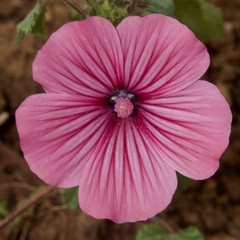
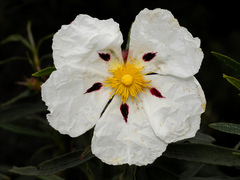
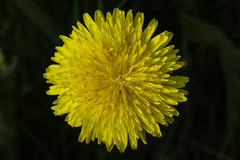
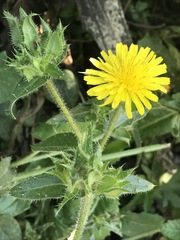
Nectar plants for Napoleon Spider

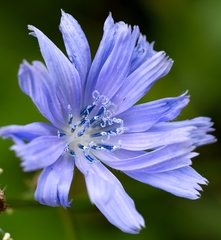
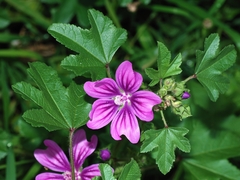
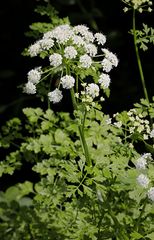
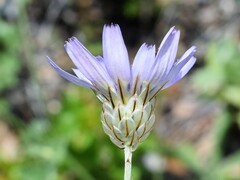
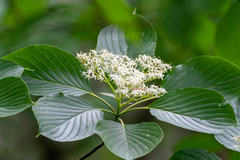
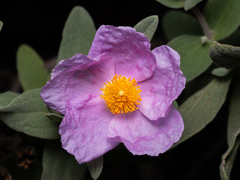
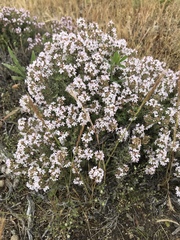
4 native plants whose flowers it visits, most recorded first.

Not native to the US

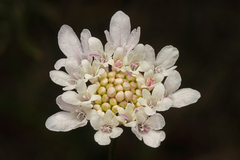
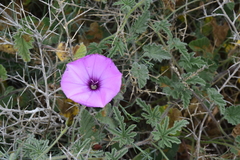
47 plants, most recorded first.

Nativity unknown

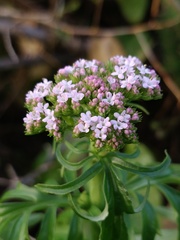
34 recorded only to genus or family, or with no nativity on record.

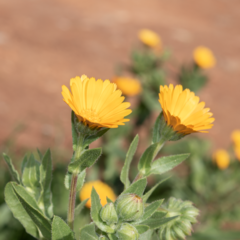
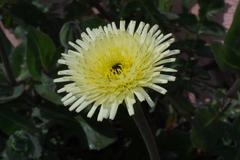
Mediterranean Marigold

for Napoleon Spider

Open

Nectar plants · recorded

What the records say

  • Visits flowers of 16 records

    References

    • @article{Barberis_Bitonto_Costantino_Bianco_Birtele_Bonifacino_Cangelmi_Capò_Chroni_d’Agostino_et al._2025, title={Insect-flower interactions in the Mediterranean area: a Citizen Science dataset collated within the LIFE 4 Pollinators project}, volume={39}, url={https://www.pollinationecology.org/index.php/jpe/article/view/872}, DOI={10.26786/1920-7603(2025)872}, abstractNote={&amp;lt;p&amp;gt;Pollinators play a vital role in most terrestrial ecosystems, supporting wild plant communities and enhancing agricultural yields. However, despite their ecological and economic importance, they have been experiencing an alarming decline over the past decades. The Mediterranean region, known for harboring highly diverse communities of plants and pollinators, is particularly vulnerable due to intense anthropogenic pressures. Furthermore, the ecological roles of many floral visitors remain poorly understood, hindering conservation efforts. In response, in recent years, growing attention has been directed toward the contribution that citizens can give in support of pollinator research. An increasing number of projects have adopted a Citizen Science approach to enable large-scale data collection. The LIFE 4 Pollinators project (LIFE18/GIE/IT/000755) “Involving people to protect wild bees and other pollinators in the Mediterranean” aims to promote the conservation of pollinating insects and entomophilous plants across the Mediterranean region by fostering progressive changes in human practices that threaten wild pollinators. In addition to the implementation of several actions to raise awareness, the project launched a web platform to collect photographic records of flower–insect interaction from the public. The platform is expected to remain active for at least ten years, during which we encourage continuing record submissions by interested bodies. With this data paper we are making the current dataset freely accessible to anyone, committing to periodic online updates.&amp;lt;/p&amp;gt;}, journal={Journal of Pollination Ecology}, author={Barberis, Marta and Bitonto, Fortunato Fulvio and Costantino, Roberto and Bianco, Lorenzo and Birtele, Daniele and Bonifacino, Marco and Cangelmi, Giacomo and Capò, Miquel and Chroni, Athanasia and d’Agostino, Marco and et al.}, year={2025}, month={Nov.}, pages={306–315} }. Accessed at <https://github.com/globalbioticinteractions/life4pollinators/archive/74ddb96b7a611646153cb74d7f3fc58e2290dc52.zip> on 13 Jul 2026.
    • iNaturalist observation 277663651
    • iNaturalist observation 277662807
    • iNaturalist observation 273927912
    • iNaturalist observation 273925977

    and 7 more