species 13,722 observations
Clockweed
Oenothera lindheimeri
Field notes
Supports All
66
native animals
supported in the US
supported in the US
-
Caterpillars
Moths and butterflies raised on it


 White-lined Sphinx, Primrose Moth, Red-streaked Mompha Moth, Grape Leaffolder Moth
11
-
Specialist bees
Bees whose young are raised on the pollen of it
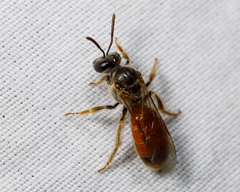


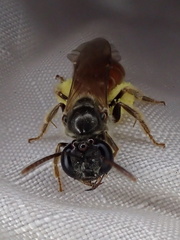 Texas Nocturnal Sweat Bee, Epimelissodes comptus, Anthophora affabilis, Lasioglossum noctivaga
5
-
Hosted animals
Gall makers, leaf miners and other animals living on or in it
 Spotted Cucumber Beetle
1
-
Plant eaters
Animals that feed on it


 Beeblossom Aphid, Lesser Prairie-Chicken, Mourning Dove, Wild Turkey
8
-
Flower visitors
Pollinators and other flower visitors


 Common Eastern Bumble Bee, Poey's Furrow Bee, Monarch, Margined Calligrapher
41
Range
Greener is more native, amber more introduced; paler is less certain. How this was decided
Key traits
- Layer
- Herbaceous plants
- Light
- Full sun Part shade
- Moisture
- Well drained Moist
- Water use
- Medium
- Soil pH
- Acid
- Drought tolerant
- Yes
- Deer resistant
- Yes
- Resists
- Heat
- Plant type
- Wildflower Herbaceous perennial
From NC State Extension, the Lady Bird Johnson Wildflower Center and USDA PLANTS.