species 91,817 observations
Norway Spruce
Picea abies
Field notes
Picea abies, the Norway spruce, is a species of spruce native to Northern, Central and Eastern Europe. It has branchlets that typically hang downwards, and the longest cones of any spruce, 9–20 cm long. It is usually considered most closely related to the Siberian spruce (Picea obovata), which replaces it east of the Ural Mountains, and with which it hybridises freely, but its phylogeny has been disputed.
Major pests that affect the species include the European spruce bark beetle, the large pine weevil, and the black arches moth. Fungal diseases that can kill the tree include Armillaria root rot and red rot caused by Heterobasidion annosum. The species has a wide distribution, is widely planted for its wood, and is used as a Christmas tree in several countries around the world. It was the first gymnosperm to have its genome sequenced. The Latin specific epithet abies means "like a fir tree".
Read more on WikipediaSupports All
supported in the US
-
Caterpillars
Moths and butterflies raised on it
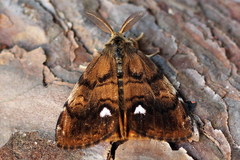


 Rusty Tussock Moth, Small Engrailed, Northern Pine Tussock Moth, Pitch Mass Borer Moth
29
-
Hosted animals
Gall makers, leaf miners and other animals living on or in it
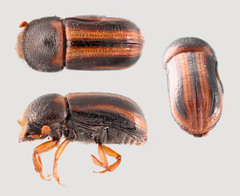 Striped Ambrosia Beetle
1
-
Plant eaters
Animals that feed on it

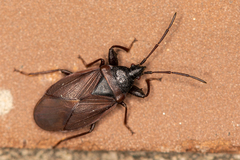
 Pineapple-gall Adelgid, Spruce Spider Mite, Pinecone Bug, Spruce Aphid
48
-
Flower visitors
Pollinators and other flower visitors

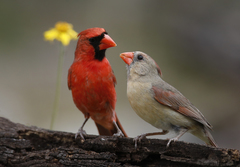
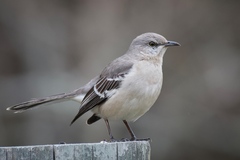
 Red Mason Bee, Northern Cardinal, Northern Mockingbird, Green Long-jawed Orbweaver
4
-
Sheltered animals
Animals that nest or roost in it


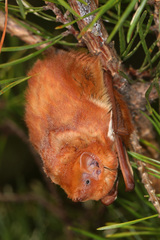
 Northern Hoary Bat, Yellow Garden Spider, Eastern Red Bat, Silvanus bidentatus
5
Range
Greener is more native, amber more introduced; paler is less certain. How this was decided
Key traits
- Layer
- Trees
- Light
- Full sun
- Moisture
- Well drained Moist
- Soil
- Sand
- Soil pH
- Acid
- Deer resistant
- Yes
- Resists
- Pollution
- Plant type
- Tree
From NC State Extension and USDA PLANTS.