phylum
Vascular Plants
Tracheophyta
Field notes
Vascular plants (from Latin vasculum 'duct'), also called tracheophytes (UK: , US: ) or collectively Tracheophyta (; from Ancient Greek τραχεῖα ἀρτηρία (trakheîa artēría) 'windpipe' and φυτά (phutá) 'plants'), are plants that have lignified tissues (the xylem) for conducting water and minerals throughout the plant. They also have a specialized non-lignified tissue (the phloem) to conduct products of photosynthesis. The group includes most land plants (c. 300,000 accepted known species) excluding mosses.
Vascular plants include the clubmosses, horsetails, ferns, gymnosperms (including conifers), and angiosperms (flowering plants). They are contrasted with nonvascular plants such as mosses and green algae. Scientific names for the vascular plants group include Tracheophyta, Tracheobionta and Equisetopsida sensu lato. Some early land plants (the rhyniophytes) had less developed vascular tissue; the term eutracheophyte has been used for all other vascular plants, including all living ones.
Historically, vascular plants were known as "higher plants", as it was believed that they were further evolved than other plants due to being more complex organisms. However, this is an antiquated remnant of the obsolete scala naturae, and the term is generally considered to be unscientific.
The earliest known tracheophytes, Cooksonia, appeared in the mid-Silurian.
Read more on WikipediaChildren
Range
Greener is more native, amber more introduced; paler is less certain. How this was decided
Top native vascular plants All
Native to the US, ranked by caterpillars, then bees and other hosts, food, flowers and shelter.
-
 Bebb's Willow
Salix bebbiana
keystone
caterpillars
420
bees
11
hosts
30
food
91
flowers
144
-
 Peachleaf Willow
Salix amygdaloides
keystone
caterpillars
409
bees
13
hosts
32
food
86
flowers
173
shelter
1
-
 Interior Sandbar Willow
Salix interior
keystone
caterpillars
400
bees
11
hosts
31
food
85
flowers
185
shelter
1
-
 Pussy Willow
Salix discolor
keystone
caterpillars
400
bees
10
hosts
28
food
83
flowers
137
-
 Northern Red Oak
Quercus rubra
keystone
caterpillars
398
hosts
95
food
185
flowers
39
shelter
4
-
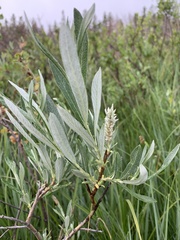 Sage-leaf Willow
Salix candida
keystone
caterpillars
397
bees
10
hosts
25
food
80
flowers
127
-
 Paper Birch
Betula papyrifera
keystone
caterpillars
395
hosts
18
food
68
flowers
7
shelter
2
-
 Shining Willow
Salix lucida
keystone
caterpillars
393
bees
10
hosts
30
food
82
flowers
130
-
 Tea-leafed Willow
Salix planifolia
keystone
caterpillars
388
bees
8
hosts
24
food
60
flowers
126
-
 Bur Oak
Quercus macrocarpa
keystone
caterpillars
384
hosts
98
food
135
flowers
47
shelter
5
-
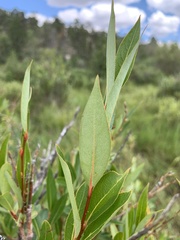 Autumn Willow
Salix serissima
keystone
caterpillars
384
bees
10
hosts
24
food
75
flowers
123
-
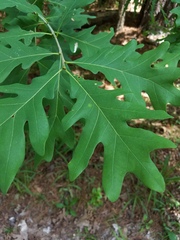 White Oak
Quercus alba
keystone
caterpillars
383
hosts
104
food
163
flowers
49
shelter
6
-
 Meadow Willow
Salix petiolaris
keystone
caterpillars
381
bees
10
hosts
23
food
80
flowers
127
-
 Chinkapin Oak
Quercus muehlenbergii
keystone
caterpillars
378
hosts
92
food
115
flowers
51
shelter
2
-
 Black Willow
Salix nigra
keystone
caterpillars
372
bees
10
hosts
29
food
91
flowers
169