species 80,174 observations
Quaking Aspen
Populus tremuloides
Field notes
Populus tremuloides is a deciduous tree native to cooler areas of North America, one of several species referred to by the common name aspen. It is commonly called quaking aspen, trembling aspen, American aspen, mountain or golden aspen, trembling poplar, white poplar, and popple, as well as others. The trees have tall trunks, up to 25 metres (82 feet) tall, with smooth pale bark, scarred with black. The glossy green leaves, dull beneath, become golden to yellow, rarely red, in autumn. The species often propagates through its roots to form large clonal groves originating from a shared root system. These roots are not rhizomes, as new growth develops from adventitious buds on the parent root system (the ortet).
Populus tremuloides is the most widely distributed tree in North America, being found from Canada to central Mexico. It is the defining species of the aspen parkland biome in the Prairie Provinces of Canada and extreme northwest Minnesota.
Read more on WikipediaSupports All
supported in the US
-
Caterpillars
Moths and butterflies raised on it
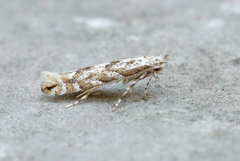
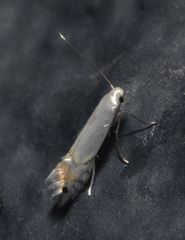

 Aspen Leaf Blotch Miner, Aspen Serpentine Leafminer Moth, Great Ash Sphinx, Large Aspen Tortrix
355
-
Hosted animals
Gall makers, leaf miners and other animals living on or in it


 Flat-headed Poplar Borer, Flat-headed Hardwood Borer, Yellow-spotted Jewel Beetle, Eastern Poplar Buprestid Beetle
21
-
Plant eaters
Animals that feed on it


 Poplar Budgall Mite, Phyllocoptes didelphis, Ruffed Grouse, Populicerus formosus
79
-
Flower visitors
Pollinators and other flower visitors

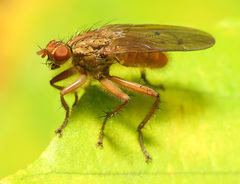

 Yellow-rumped Warbler, Furcate Dung Fly, Black-capped Chickadee, Autumn Meadowhawk
34
-
Sheltered animals
Animals that nest or roost in it


 Big Brown Bat, Little Brown Bat, Silver-haired Bat
3
Range
Greener is more native, amber more introduced; paler is less certain. How this was decided
Key traits
- Layer
- Trees
- Light
- Full sun Part shade Full shade
- Moisture
- Well drained Moist Wet
- Water use
- High
- Drought tolerant
- Yes
- Resists
- Wet soil
From the Lady Bird Johnson Wildflower Center, NC State Extension and USDA PLANTS.