species 140,683 observations
Eastern White Pine
Pinus strobus
Field notes
Pinus strobus, commonly called the eastern white pine, northern white pine, white pine, Weymouth pine (British), and soft pine is a large pine native to eastern North America. It occurs from Newfoundland, Canada, west through the Great Lakes region to southeastern Manitoba and Minnesota, United States, and south along the Appalachian Mountains and upper Piedmont to northernmost Georgia and, very rarely, in some of the higher elevations in northeastern Alabama. It is listed as rare or vulnerable (S3) in Iowa, Illinois, Indiana, and Kentucky., and as imperiled in Manitoba.
The Haudenosaunee maintain the tree as the central symbol of their multinational confederation, calling it the "Tree of Peace", where the Seneca use the name o'sóä' and the Mohawk people call it onerahtase'ko:wa. Within the Wabanaki Confederacy, the Mi'kmaq use the term guow to name the tree, both the Wolastoqewiyik and Peskotomuhkatiyik call it kuw or kuwes, and the Abenaki use the term kowa.
It is known as the "Weymouth pine" in the United Kingdom, after Captain George Weymouth of the British Royal Navy, who brought its seeds to England from Maine in 1605.
Read more on WikipediaSupports All
supported in the US
-
Caterpillars
Moths and butterflies raised on it


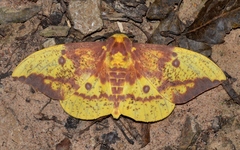 Oblique-banded Leafroller Moth, Eastern Pine Elfin, Jack Pine Budworm Moth, Imperial Moth
127
-
Hosted animals
Gall makers, leaf miners and other animals living on or in it


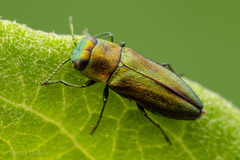
 Lined Buprestid Beetle, Striated Jewel Beetle, Anthaxia quercata, Dark Jewel Beetle
17
-
Plant eaters
Animals that feed on it

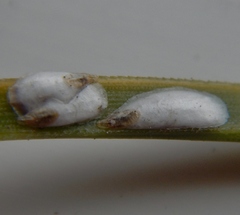
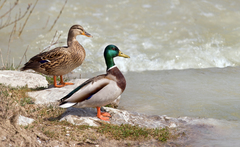
 Red Crossbill, Pine Needle Scale, Mallard, Common Raven
87
-
Flower visitors
Pollinators and other flower visitors


 Red Mason Bee, Old World Swallowtail, Picnic Beetle, Carolina Mantis
7
-
Sheltered animals
Animals that nest or roost in it

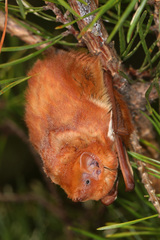

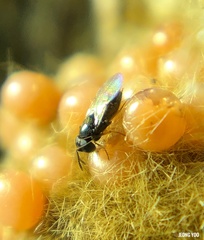 Big Brown Bat, Eastern Red Bat, Anastatus, Wasp
7
Range
Greener is more native, amber more introduced; paler is less certain. How this was decided
Key traits
- Layer
- Trees
- Light
- Full sun Part shade
- Moisture
- Dry Well drained Moist
- Water use
- Medium
- Soil pH
- Acid
- Deer resistant
- Yes
- Resists
- Rabbits
- Habit
- Conical Horizontal Oval Pyramidal Spreading
From NC State Extension, USDA PLANTS and the Lady Bird Johnson Wildflower Center.