species 41,639 observations
Coast Redwood
Sequoia sempervirens
Field notes
Sequoia sempervirens (), the coast redwood, is the sole living species of the genus Sequoia in the cypress family, Cupressaceae. Other common names include coastal redwood and California redwood. It is a coniferous, long-lived, monoecious tree that has reached ages of about 2,000 years. The species has produced the tallest living trees on Earth, reaching up to 116.22 m (381.3 ft) in height (without the roots) and up to 8.9 m (29 ft) in diameter at breast height. These trees are also among the longest-living trees on Earth.
Before commercial logging and clearing began by the 1850s, this massive tree occurred naturally in an estimated 810,000 ha (2,000,000 acres) along much of coastal California (excluding southern California where rainfall is not sufficient) and the southwestern corner of coastal Oregon within the United States. Being the tallest tree species, with a small range and an extremely long lifespan, many redwoods are preserved in various state and national parks; many of the largest specimens have their own official names.
Read more on WikipediaSupports All
supported in the US
-
Caterpillars
Moths and butterflies raised on it
 Sequoia Pitch Moth
1
-
Hosted animals
Gall makers, leaf miners and other animals living on or in it


 Trachykele opulenta, Sequoia Cone Borer, Spruce Limb Borer, Dicentrus bluthneri
4
-
Plant eaters
Animals that feed on it
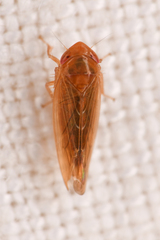


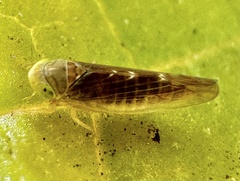 Colladonus holmesi, Idiocerus nervatus, Knull's Timema, Colladonus flavocapitatus
4
-
Flower visitors
Pollinators and other flower visitors


 Cooper's Hawk, Acorn Woodpecker, Band-tailed Pigeon, Valley Carpenter Bee
6
-
Sheltered animals
Animals that nest or roost in it


 Yuma Myotis, Western Black Widow, Townsend's Big-eared Bat
3
Range
Greener is more native, amber more introduced; paler is less certain. How this was decided
Key traits
- Layer
- Trees
- Light
- Full sun
- Moisture
- Well drained Moist
- Water use
- Medium
- Soil
- Organic
- Soil pH
- Acid
- Deer resistant
- Yes
- Resists
- Wet soil
From NC State Extension, USDA PLANTS and the Lady Bird Johnson Wildflower Center.