species 10,788 observations
River Cane
Arundinaria gigantea
Field notes
Arundinaria gigantea is a species of bamboo known as giant cane (not to be confused with Arundo donax), river cane, and giant river cane. It is endemic to the south-central and southeastern United States as far west as Oklahoma and Texas and as far north as New York. Giant river cane was economically and culturally important to indigenous people, with uses including as a vegetable and materials for construction and craft production. Arundinaria gigantea and other species of Arundinaria once grew in large colonies called canebrakes covering thousands of acres in the southeastern United States, but today these canebrakes are considered endangered ecosystems.
Read more on WikipediaSupports All
supported in the US
-
Caterpillars
Moths and butterflies raised on it


 Lace-winged Roadside-Skipper, Reversed Roadside-Skipper, Southern Pearly-eye, Creole Pearly-eye
5
-
Plant eaters
Animals that feed on it

 Waxy Bamboo Aphid, Mysidia Mississippiensis
2
-
Flower visitors
Pollinators and other flower visitors


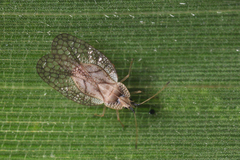 Coppery Leafhopper, Arrowhead Orbweaver, Leptodictya simulans
3
Range
Greener is more native, amber more introduced; paler is less certain. How this was decided
Key traits
- Layer
- Grasses and sedges
- Light
- Part shade
- Moisture
- Well drained Wet
- Water use
- Medium
- Deer resistant
- No
- Plant type
- Ornamental grasses and sedges
From the Lady Bird Johnson Wildflower Center, NC State Extension and USDA PLANTS.