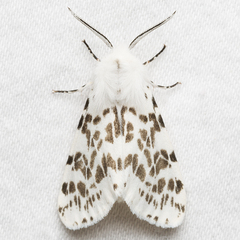
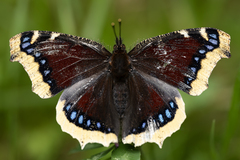
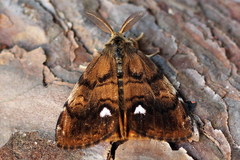
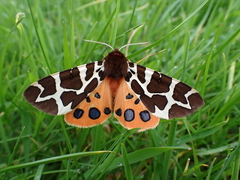
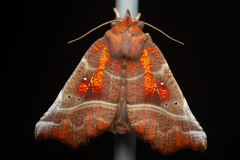
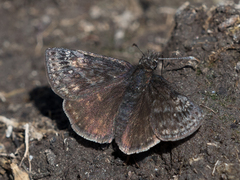
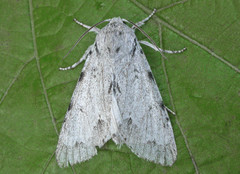
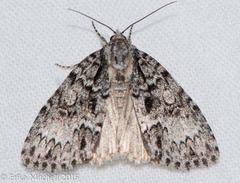
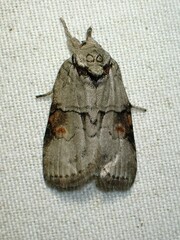
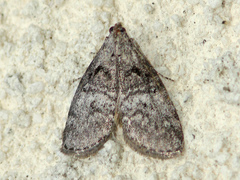
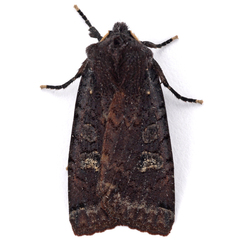
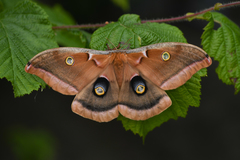
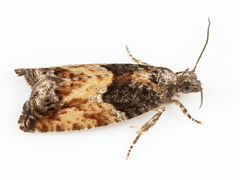
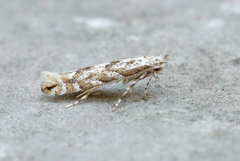
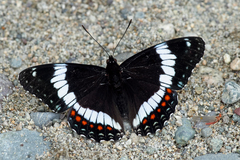
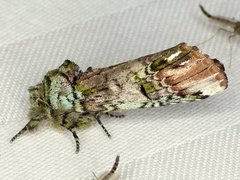
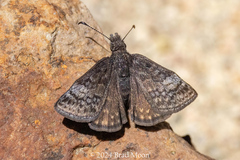
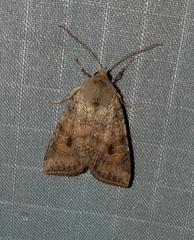
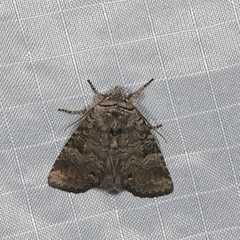
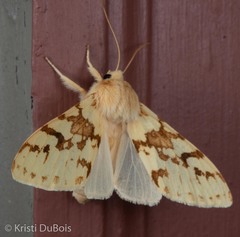
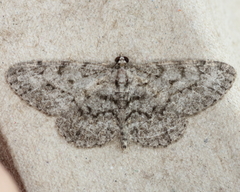
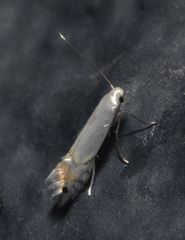
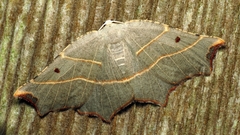
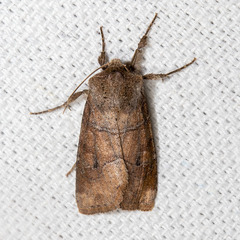
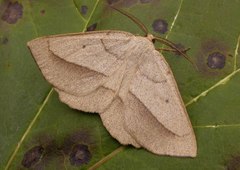
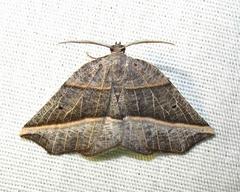
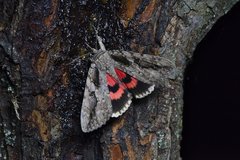
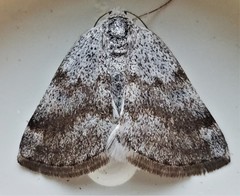
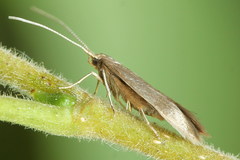
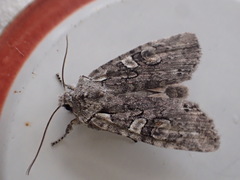
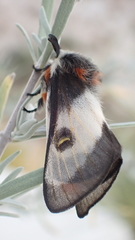
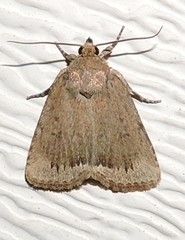
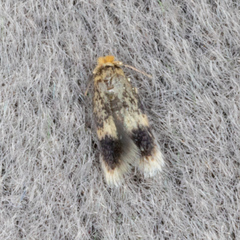
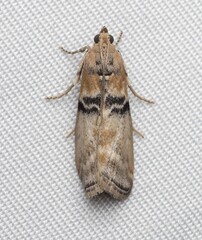
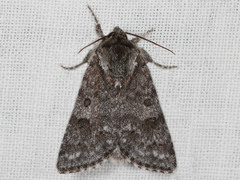
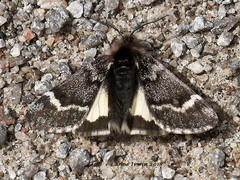
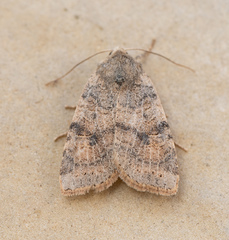
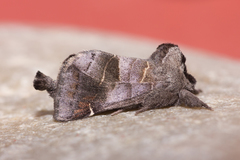
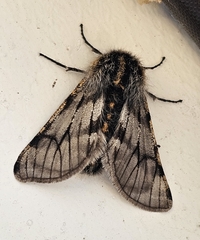
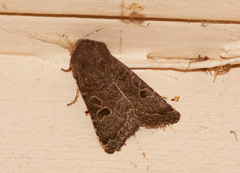
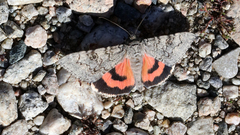
Recorded on cottonwoods, and handed down to its species.
-
Hale, Kayla R. S. and Curlis, John David and Auteri, Giorgia G. and Bishop, Sasha and French, Rowan L. K. and Jones, Lance E. and Mills, Kirby L. and Scholtens, Brian G. and Simons, Meagan and Thompson, Cody and Tourville, Jordon and Valdovinos, Fernanda S. (2024). A highly resolved network reveals the role of terrestrial herbivory in structuring aboveground food webs.
-
Ed Baker; Ian J. Kitching; George W. Beccaloni; Amoret Whitaker et al. (2016). Dataset: NHM Interactions Bank. Natural History Museum Data Portal (data.nhm.ac.uk). https://doi.org/10.5519/0060767
-
Sarah E Miller. 12/13/2016. Species associations manually extracted from Onstad, D.W. EDWIP: Ecological Database of the World's Insect Pathogens. Champaign, Illinois: Illinois Natural History Survey, [23/11/2016]. http://insectweb.inhs.uiuc.edu/Pathogens/EDWIP.
References
-
Martignoni, M.E., and Iwai, P.J., 1986. A Catalogue of Viral Diseases of insects, Mites, and Ticks. USDA Forest Service, Pacific Northwest Research Station, Portland, OR, General Technical Report PNW-195, 4th edition,51 pp.; Zimmermann, G. and Weiser, J. 1991. Pathogens and diseases. pp. 253-271. In van der Geest, L. P. S. and Evenhuis, H.H. [eds.], Tortricid Pests: Their Biology, Natural Enemies and Control. Elsevier Science Publishers, Amsterdam.
-
Kayla R. S. Hale (Expert)
-
Jordon Tourville (Expert)
-
Edward Baker; Ian Kitching; George W Beccaloni; Amoret Whitaker; Steen Dupont; Vincent Smith; John S Noyes (2017). NHM Interactions Bank. https://doi.org/10.5519/0060767. Accessed at <https://data.nhm.ac.uk/dataset/82e807f0-6273-4f19-be0a-7f7558442a25/resource/f84ad9f1-bd0c-4811-8108-8dcd83f224a4/download/nhminteractionsbank.csv> on 14 Jul 2026.
-
Brian G. Scholtens (Expert)