species 5,913 observations
Italian Bugloss
Anchusa azurea
Field notes
Anchusa azurea is a species of flowering plant in the family Boraginaceae, known by the common names garden anchusa and Italian bugloss (or just "bugloss"). This bristly herbaceous perennial may reach 1.5 m (4.9 ft) tall and 60 cm (24 in) wide. It has straight lance-shaped leaves and petite tubular flowers about 15 millimeters across with five bright violet-blue petals. These flowers, which typically appear in May–July, are edible and attract bees. This species is native to Europe, western Asia, and eastern Maghreb.
The genus name Anchusa comes from the Greek 'ankousa', which is the name of a root pigment once used for cosmetic purposes.
Numerous cultivars have been developed for garden use, including 'Dropmore', 'Feltham Pride', 'Little John', 'Loddon Royalist' and 'Opal'.
In the US it is suitable for hardiness zones 3–8. It grows best in full sun with good drainage, and is drought tolerant once established. It may be susceptible to leafminer and powdery mildew.
Read more on WikipediaSupports All
supported in the US
-
Caterpillars
Moths and butterflies raised on it
 Dark Fruit-tree Tortrix
1
-
Plant eaters
Animals that feed on it

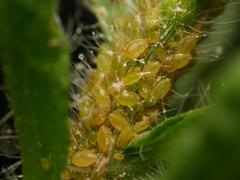
 Plum-thistle Aphid, Leafcurl Plum Aphid, Black Bean Aphid
3
-
Flower visitors
Pollinators and other flower visitors
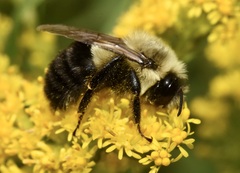

 Common Eastern Bumble Bee, Old World Swallowtail, Two-spotted Longhorn Bee
3
Range
Greener is more native, amber more introduced; paler is less certain. How this was decided
Key traits
- Layer
- Herbaceous plants
- Light
- Full sun Part shade
- Moisture
- Well drained Wet
- Resists
- Compaction Poor soil
- Plant type
- Perennial
From NC State Extension and USDA PLANTS.