genus
Love Grass
Eragrostis
Field notes
Eragrostis is a large and widespread genus of plants in the grass family, found in many countries on all inhabited continents and many islands.
Eragrostis is commonly known as lovegrass or canegrass. The name of the genus is derived from the Greek words ἔρως (érōs), meaning 'love', and ἄγρωστις (ágrōstis), meaning 'grass'.
Lovegrass is commonly used as livestock fodder. The seeds appear to be of high nutritional value for some animals, but they are also very tiny and collecting them for human food is cumbersome and hence uncommon. A notable exception is teff (E. tef), which is used to make traditional breads on the Horn of Africa, such as Ethiopian injera and Somalian laxoox. It is a crop of commercial importance. E. clelandii and E. tremula are recorded as famine foods in Australia and Chad, respectively.
Other species, such as E. amabilis, are used as ornamental plants. E. cynosuroides is used in the pūjā rites in the Hindu temple at Karighatta. Bahia lovegrass (E. bahiensis) is known as a hyperaccumulator of caesium-137 and can be grown to remove the highly toxic radioactive atoms from the environment. Weeping lovegrass (E. curvula) has been planted extensively to prevent soil erosion.
Seed dispersal is often done by passing animals; the grains' hooks latch on to fur or hair, or to clothes. Others are wind or gravity dispersed. Several herbivores feed on lovegrass, including invertebrates such as the caterpillars of the Zabulon skipper (Lon zabulon) and vertebrates. The extinct bluebuck (Hippotragus leucophaeus) was known to graze these grasses. The dense bunches also provide cover for small animals such as the rare Botteri's sparrow (Aimophila botterii). Lovegrasses may be important groundcover on oceanic islands like Laysan, where other plants are rare.
Read more on WikipediaChildren 24 of 82
- Eragrostis pilosa 1 native
- Feather Lovegrass introduced
- Purple Lovegrass native
- African Love Grass introduced
- Little Lovegrass introduced
- Stinkgrass introduced
- Red Lovegrass native
- Wilman Lovegrass introduced
- Lehmann's Lovegrass introduced
- Carolina Lovegrass native
- Plains Lovegrass native
- Elastic Grass present
- Mediterranean Lovegrass introduced
- Cape Love Grass
- Brown's Love Grass present
- Elliott's Lovegrass native
- Gophertail Lovegrass present
- Teal Lovegrass native
- Narrow Heart Love Grass
- Tick Grass present
- Thalia Lovegrass present
- Chinese Lovegrass present
- Fan Love Grass
- Dew Grass
Range
Greener is more native, amber more introduced; paler is less certain. How this was decided
Key traits
- Layer
- Grasses and sedges
- Plant type
- Annual Ornamental grasses and sedges Perennial
From USDA PLANTS.
Top native love grass All
Native to the US, ranked by caterpillars, then bees and other hosts, food, flowers and shelter.
-
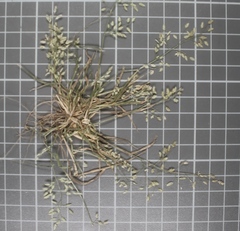 Mexican Lovegrass
Eragrostis mexicana
caterpillars
2
food
7
-
 Teal Lovegrass
Eragrostis hypnoides
caterpillars
2
food
4
-
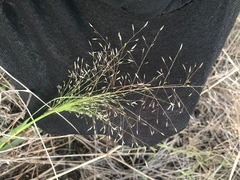 Plains Lovegrass
Eragrostis intermedia
caterpillars
1
food
9
-
 Jersey Love-grass
Eragrostis pilosa
caterpillars
1
food
7
-
 Purple Lovegrass
Eragrostis spectabilis
caterpillars
1
food
5
-
 Carolina Lovegrass
Eragrostis pectinacea
caterpillars
1
food
5
-
 Sand Lovegrass
Eragrostis trichodes
caterpillars
1
food
3
-
 Mexican Lovegrass
Eragrostis virescens
caterpillars
1
food
3
-
 Bigtop Lovegrass
Eragrostis hirsuta
food
4
-
 Frank's Lovegrass
Eragrostis frankii
food
4
-
 Red Lovegrass
Eragrostis secundiflora
food
3
-
 Elliott's Lovegrass
Eragrostis elliottii
food
3
-
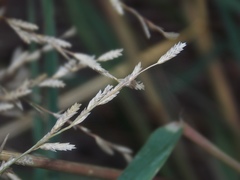 Gummy Lovegrass
Eragrostis curtipedicellata
food
3
-
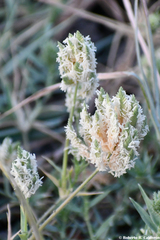 Creeping Lovegrass
Eragrostis reptans
food
3
-
 Coastal Lovegrass
Eragrostis refracta
food
3