species 138,118 observations
Black Locust
Robinia pseudoacacia
Field notes
Supports All
185
native animals
supported in the US
supported in the US
-
Caterpillars
Moths and butterflies raised on it


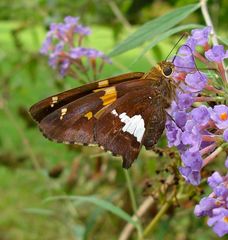
 Locust Digitate Leafminer Moth, Black Locust Leafminer, Silver-spotted Skipper, Carpenterworm Moth
72
-
Hosted animals
Gall makers, leaf miners and other animals living on or in it
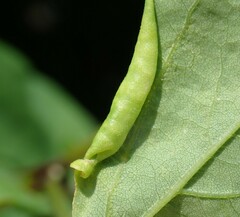
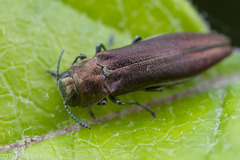

 Locust Gall Midge, Willow Gall Limb Borer, Agrilus fallax, Red-headed Ash Borer
11
-
Plant eaters
Animals that feed on it


 Black Locust Treehopper, Locust Treehopper, Sumitrosis rosea, Black Locust Aphid
34
-
Flower visitors
Pollinators and other flower visitors


 Common Eastern Bumble Bee, Brown-belted Bumble Bee, Buffalo Treehopper, Nevada Bumble Bee
68
Range
Greener is more native, amber more introduced; paler is less certain. How this was decided
Key traits
- Layer
- Trees
- Light
- Full sun
- Moisture
- Dry Well drained Moist
- Water use
- Medium
- Soil pH
- Neutral
- Drought tolerant
- Yes
From NC State Extension, USDA PLANTS and the Lady Bird Johnson Wildflower Center.