species 78,034 observations
Honey Locust
Gleditsia triacanthos
Field notes
The honey locust (Gleditsia triacanthos), also known as the thorny locust or thorny honeylocust, is a deciduous tree in the family Fabaceae, native to central North America where it is mostly found in the moist soil of river valleys. Honey locust trees are highly adaptable to different environments, and the species has been introduced worldwide. Outside its natural range it can be an aggressive, damaging invasive species.
Read more on WikipediaSupports All
supported in the US
-
Caterpillars
Moths and butterflies raised on it
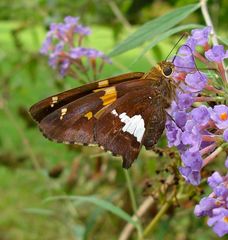

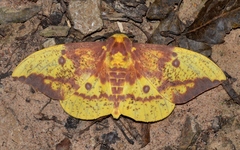
 Silver-spotted Skipper, Fall Webworm Moth, Imperial Moth, Io Moth
47
-
Hosted animals
Gall makers, leaf miners and other animals living on or in it


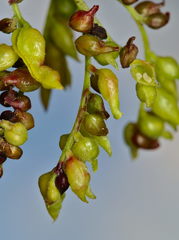
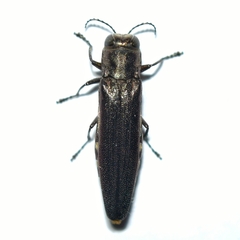 Agrilus fallax, Redbud Borer, Gleditsia Gall Midge, Honeylocust Agrilus
13
-
Plant eaters
Animals that feed on it
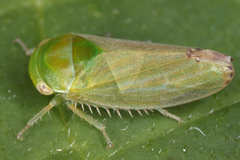
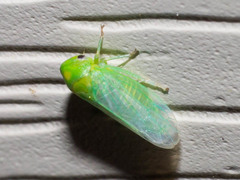

 Penestragania apicalis, Honeylocust Leafhopper, Honeylocust Treehopper, Osborn Scale
32
-
Flower visitors
Pollinators and other flower visitors


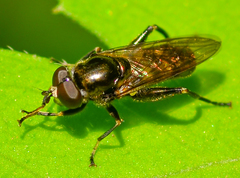
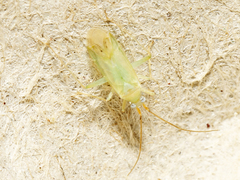 Tree Damsel Bug, Banded Mud Bee, Dusky-banded Leafwalker, Honey Locust Plant Bug
35
-
Sheltered animals
Animals that nest or roost in it
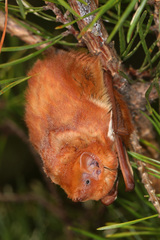
 Eastern Red Bat, Aprostocetus
2
Children
Range
Greener is more native, amber more introduced; paler is less certain. How this was decided
Key traits
- Layer
- Trees
- Light
- Part shade
- Moisture
- Well drained Moist
- Water use
- Medium
- Soil pH
- Neutral
- Drought tolerant
- Yes
- Deer resistant
- Yes
- Resists
- Black walnut Pollution
- Plant type
- Tree
From NC State Extension, the Lady Bird Johnson Wildflower Center and USDA PLANTS.