species 5,909 observations
Poison Sumac
Toxicodendron vernix
Field notes
Toxicodendron vernix, commonly known as poison sumac, or swamp-sumach, is a woody shrub or small tree growing to 9 metres (30 feet) tall. It was previously known as Rhus vernix. This plant is also known as thunderwood, particularly where it occurs in the southern United States.
Like its toxic relatives poison ivy and poison oak, all parts of the plant contain a resin called urushiol, which causes skin and mucous membrane irritation to humans. When the plant is burned, inhalation of the smoke may cause the rash to appear on the lining of the lungs, causing extreme pain and possibly fatal respiratory difficulty.
Read more on WikipediaSupports All
supported in the US
-
Caterpillars
Moths and butterflies raised on it
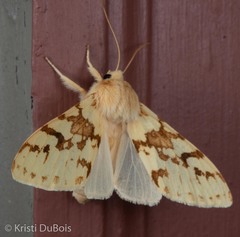

 Spotted Tussock Moth, Sumac Leaftier Moth, Poison Ivy Leaf-miner Moth
3
-
Hosted animals
Gall makers, leaf miners and other animals living on or in it
 Red-shouldered Bostrichid
1
-
Plant eaters
Animals that feed on it
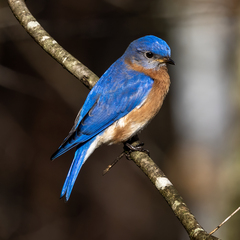
 Eastern Bluebird, Ruffed Grouse
2
-
Flower visitors
Pollinators and other flower visitors
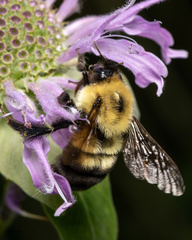 Two-spotted Bumble Bee
1
Range
Greener is more native, amber more introduced; paler is less certain. How this was decided
Key traits
- Layer
- Trees
- Light
- Part shade
- Soil pH
- Acid
- Resists
- Wet soil
- Habit
- Erect
From NC State Extension, USDA PLANTS and the Lady Bird Johnson Wildflower Center.