species 8,720 observations
Common Pea
Pisum sativum
Field notes
Pea is a pulse or fodder crop, but the word often refers to the seed or sometimes the pod of this flowering plant species. Peas are eaten as a vegetable. The pea is native to the Mediterranean region and southwest Asia, and cultivated nearly worldwide.
Carl Linnaeus gave the species the scientific name Pisum sativum in 1753 (meaning cultivated pea). Some sources now treat it as Lathyrus oleraceus; however the need and justification for the change is disputed. The name "Pea" is also used to describe other edible seeds from the Fabaceae such as the pigeon pea (Cajanus cajan), the cowpea (Vigna unguiculata), the seeds from several species of Lathyrus, and Sturt's desert pea (Swainsona formosa).
Each pod contains several seeds (peas), which can have green or yellow cotyledons when mature. Botanically, pea pods are fruit, since they contain seeds and develop from the ovary of a pea flower.
Peas are annual plants, with a life cycle of one year. They are a cool-season crop grown in many parts of the world; planting can take place from winter to early summer depending on location. The average pea weighs between 100 and 360 milligrams (1+1⁄2–5+1⁄2 grains). The immature peas (and in snow peas and snap peas the tender pod as well) are used as a vegetable, fresh, frozen or canned; varieties of the species typically called field peas are grown to produce dry peas like the split pea shelled from a matured pod. These are the basis of pease porridge and pea soup, staples of medieval cuisine; in Europe, consuming fresh immature green peas was an innovation of early modern cuisine.
Read more on WikipediaSupports All
supported in the US
-
Caterpillars
Moths and butterflies raised on it
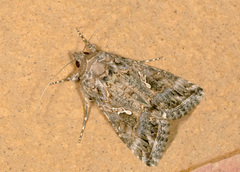

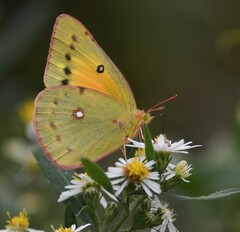
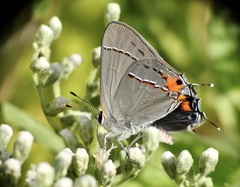 Cabbage Looper Moth, Soybean Looper Moth, Orange Sulphur, Gray Hairstreak
43
-
Hosted animals
Gall makers, leaf miners and other animals living on or in it

 Broadbean Weevil, Cowpea Weevil
2
-
Plant eaters
Animals that feed on it

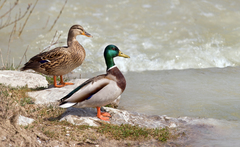

 Golden-crowned Sparrow, Mallard, Common Raven, Eurasian Jackdaw
26
-
Flower visitors
Pollinators and other flower visitors

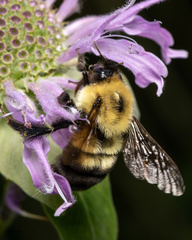

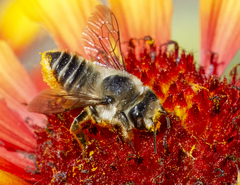 Valley Carpenter Bee, Two-spotted Bumble Bee, Golden Northern Bumble Bee, Western Leafcutter Bee
12
Range
Greener is more native, amber more introduced; paler is less certain. How this was decided
Key traits
- Layer
- Ground covers
- Light
- Full sun Part shade
- Moisture
- Well drained Moist
- Soil pH
- Neutral
- Habit
- Climbing
- Plant type
- Annual Cool season vegetable Edible Ground cover Vegetable
From NC State Extension and USDA PLANTS.