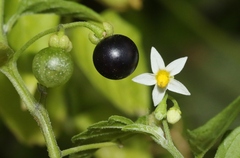
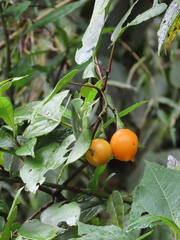
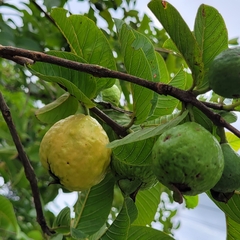
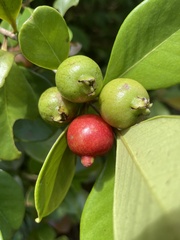
Food plants for South American Tapir

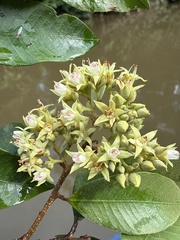
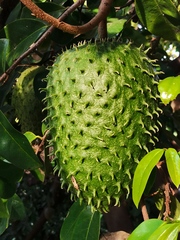
4 native plants it feeds on, most recorded first.
Not native to the US

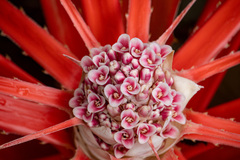
15 plants, most recorded first.

Nativity unknown

125 recorded only to genus or family, or with no nativity on record.

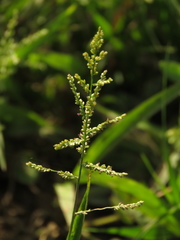
Stinkingtoe

for South American Tapir

Open

Food plants · recorded

What the records say

  • Eats 6 records
    • Fuzessy, Lisieux and Pizo, Marco Aurélio (2025). NeoFrugivory: A comprehensive database for frugivory interactions and functional traits in the Neotropics.

    • Bello 2017 2 records

      Bello, C., Galetti, M., Montan, D., Pizo, M. A., Mariguela, T. C., Culot, L., Bufalo, F., Labecca, F., Pedrosa, F., Constantini, R., Emer, C., Silva, W. R., da Silva, F. R., Ovaskainen, O. and Jordano, P. (2017), Atlantic frugivory: a plant–frugivore interaction data set for the Atlantic Forest. Ecology, 98: 1729. doi:10.1002/ecy.1818

    References

    • doi:10.1002/ecy.1818
    • Tofoli CF, 2006. Frugivoria e dispersao de sementes por Tapirus terrestris (Linnaeus, 1758) na paisagem fragmentada do Pontal do Paranapanema, Sao Paulo (MSc thesis).
    • Paolucci LN, Pereira RL, Rattis L, Silverio DV, Marques NCS, Macedo MN, Brando PM, 2019. Lowland tapirs facilitate seed dispersal in degraded Amazonian forests.
    • Hannibal W, de Jesus PR, Oliveira RF, Ragusa-Netto J, 2019. Frugivory and seed dispersal by the Lowland Tapir (Tapirus terrestris) in a fragmented landscape of Cerrado in southern Goias, Brazil.
    • Goebel LGA, Vitorino BD , Frota AVB, Santos-Filho M, 2023. Body mass determines the role of mammal species in a frugivore-large fruit interaction network in a Neotropical savanna.