species 50,478 observations
American Persimmon
Diospyros virginiana
Field notes
Diospyros virginiana is a persimmon species commonly called the American persimmon, common persimmon, eastern persimmon, simmon, possumwood, possum apples, or sugar plum. The tree is typically dioecious, so one must have both male and female plants to obtain fruit.
It ranges from southern Connecticut to Florida, and west to Texas, Louisiana, Oklahoma, Kansas, and Iowa. The tree grows in the wild but has been cultivated for its fruit and wood since prehistoric times by Native Americans. Both the tree and the fruit are referred to as persimmons, with the latter appearing in desserts and cuisine in the U.S. South and Midwest.
Commercial varieties include the very productive Early Golden, the productive John Rick, Miller, Woolbright and the Ennis, a seedless variety. Another nickname of the American persimmon, 'date-plum' also refers to a persimmon species found in South Asia and South Europe, Diospyros lotus.
Read more on WikipediaSupports All
supported in the US
-
Caterpillars
Moths and butterflies raised on it
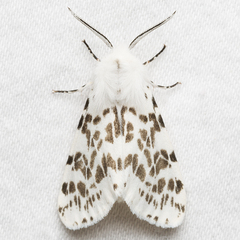


 Fall Webworm Moth, Promethea Silkmoth, Red-humped Caterpillar Moth, Long-winged Dagger
33
-
Hosted animals
Gall makers, leaf miners and other animals living on or in it

 Banded Ash Borer, Red-headed Ash Borer
2
-
Plant eaters
Animals that feed on it


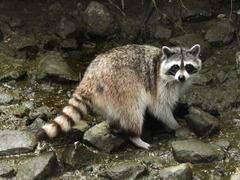 Persimmon Leaf Blister Gall, American Black Bear, Persimmon Psyllid, Common Raccoon
19
-
Flower visitors
Pollinators and other flower visitors
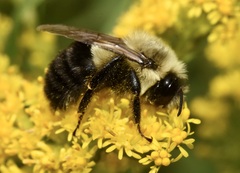

 Common Eastern Bumble Bee, Southern Carpenter Bee, Saddleback Caterpillar Moth, Abrupt Digger Bee
45
-
Sheltered animals
Animals that nest or roost in it
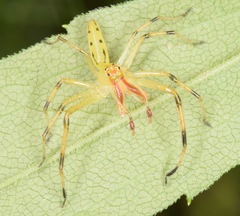
 Magnolia Green Jumping Spider, Parasitoid Wasp
2
Range
Greener is more native, amber more introduced; paler is less certain. How this was decided
Key traits
- Layer
- Trees
- Light
- Full sun Part shade
- Moisture
- Dry Well drained Moist
- Water use
- Medium
- Resists
- Poor soil Storm damage Wind
From NC State Extension, USDA PLANTS and the Lady Bird Johnson Wildflower Center.