species 44,319 observations
Muscadine
Vitis rotundifolia
Field notes
Vitis rotundifolia, or muscadine or swamp grape, is a grapevine species native to the southeastern and south-central United States. The growth range extends from Florida to New Jersey coast, and west to eastern Texas and Oklahoma. It has been extensively cultivated since the 16th century. The plants are well-adapted to their native warm and humid climate; they need fewer chilling hours than better known varieties, and thrive in summer heat.
Muscadine berries may be bronze or dark purple or black when ripe. Wild varieties may stay green through maturity. Muscadines are typically used in making artisan wines, juice, hull pie and jelly. They are rich sources of polyphenols.
In a natural setting, muscadine provides wildlife habitat as shelter, browse, and food for many birds and animals. It is also a larval host for the Nessus Sphinx Moth (Amphion floridensis) and the Mournful Sphinx Moth (Enyo lugubris).
Read more on WikipediaSupports All
supported in the US
-
Caterpillars
Moths and butterflies raised on it


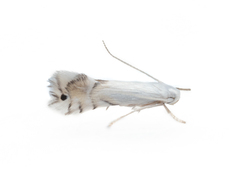 Eight-spotted Forester Moth, Southern Flannel Moth, Grapeleaf Skeletonizer Moth, Grape Leaf-Miner Moth
52
-
Hosted animals
Gall makers, leaf miners and other animals living on or in it


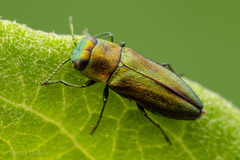
 Grape Tumid Gallmaker Midge, Grape Flea Beetle, Anthaxia quercata, Northern Red Oak Jewel Beetle
9
-
Plant eaters
Animals that feed on it


 Common Box Turtle, Keeled Treehopper, Telamona monticola, Van Duzee Treehopper
81
-
Flower visitors
Pollinators and other flower visitors


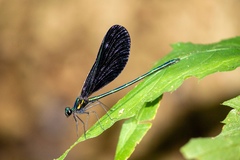
 Common Eastern Bumble Bee, Gulf Fritillary, Ebony Jewelwing, Horace's Duskywing
16
Children
Range
Greener is more native, amber more introduced; paler is less certain. How this was decided
Key traits
- Layer
- Vines
- Light
- Part shade
- Moisture
- Well drained Moist
- Water use
- Medium
- Resists
- Wet soil
From NC State Extension, USDA PLANTS and the Lady Bird Johnson Wildflower Center.