species 24,064 observations
Common Cinquefoil
Potentilla simplex
Field notes
Potentilla simplex, also known as common cinquefoil or old-field five-fingers or oldfield cinquefoil, is a perennial herb in the Rosaceae (rose) family native to eastern North America from Ontario, Quebec, and Labrador south to Texas, Alabama, and panhandle Florida.
Potentilla simplex is a familiar plant with prostrate stems that root at nodes, with yellow flowers and 5-parted palmately pinnate leaves arising from stolons (runners) on separate stalks. Complete flowers bearing 5 yellow petals (about 4–10 mm long) bloom from March to June. It bears seed from April to July. It is commonly found in woodlands, fields, and disturbed areas. Along with Potentilla canadensis, the plant is an indicator of impoverished soil as well as the host species for the cinquefoil bud gall wasp Diastrophus potentillae.
Pollinators include mason bees, small carpenter bees, cuckoo bees, halictid bees, syrphid flies, tachinid flies, blow flies, and others. Less common pollinators are wasps and butterflies. Rabbits and groundhogs eat the foliage.
Young shoots and leaves are edible as a salad or pot herb.
Read more on WikipediaSupports All
supported in the US
-
Caterpillars
Moths and butterflies raised on it
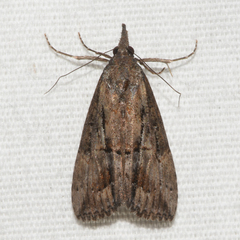


 Green Cloverworm Moth, Strawberry Leafroller Moth, One-lined Sparganothis Moth, Allen's Tortrix Moth
5
-
Specialist bees
Bees whose young are raised on the pollen of it

 Cinquefoil Masked Bee, Panurginus potentillae
2
-
Hosted animals
Gall makers, leaf miners and other animals living on or in it
 Diastrophus potentillae
1
-
Plant eaters
Animals that feed on it


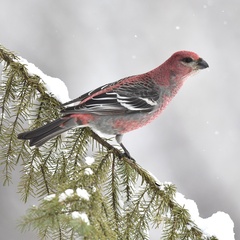 Greater White-fronted Goose, Ruffed Grouse, Snow Bunting, Pine Grosbeak
9
-
Flower visitors
Pollinators and other flower visitors


 American Copper, Red-banded Hairstreak, Silvery Blue, Karner Blue
45
Range
Greener is more native, amber more introduced; paler is less certain. How this was decided
Key traits
- Layer
- Herbaceous plants
- Light
- Part shade Full shade
- Moisture
- Dry
- Plant type
- Perennial Wildflower
From USDA PLANTS and the Lady Bird Johnson Wildflower Center.