species 7,780 observations
Mission Manzanita
Xylococcus bicolor
Field notes
Xylococcus is a monotypic genus of flowering plants in the heather family which contains the single species Xylococcus bicolor, commonly known as the mission manzanita. It is a burl-forming, evergreen shrub with leathery leaves and smooth dark reddish bark. From December to February, white to pink urn-shaped flowers adorn the foliage, often attracting hummingbird pollinators. It is native to southern California and the Baja California Peninsula, south to the Sierra de la Giganta. There is growing concern over the future of this plant, referred to as the "queen of the elfin forest", as it may possibly lose up to 88% of its habitat and its wild seedlings are failing to survive more than a full year.
Known to and utilized by the indigenous peoples for centuries, this species was first described to Western science by Thomas Nuttall, who had found it on his journey to California. Nuttall named it Xylococcus, which is derived from the Greek word for "wood berry". Later botanists lumped this species into the true manzanitas (Arctostaphylos), but it has distinct features, such as the flowers and fruit, that support its generic placement. In light of its struggle in the wild, this plant is available from specialty nurseries focusing on California native plants, making it a distinctive and hardy shrub in the garden.
Read more on WikipediaSupports All
supported in the US
-
Caterpillars
Moths and butterflies raised on it

 Ceanothus Silk Moth, Phyllonorycter manzanita
2
-
Plant eaters
Animals that feed on it
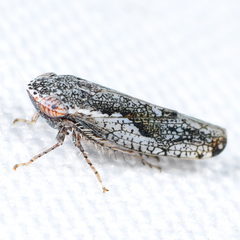 Norvellina pannosa
1
-
Flower visitors
Pollinators and other flower visitors


 Black-tailed Bumble Bee, Yellow-faced Bumble Bee, Anna's Hummingbird, Purple Bromeliad Fly
14
Range
Greener is more native, amber more introduced; paler is less certain. How this was decided
Key traits
- Layer
- Shrubs
From USDA PLANTS.