species 11,370 observations
Date Palm
Phoenix dactylifera
Field notes
Phoenix dactylifera, commonly known as the date palm, is a flowering-plant species in the palm family Arecaceae, native to the region from the Gulf States and Iraq to Pakistan and India. It is cultivated for its edible sweet fruit called dates. The species is widely cultivated across northern Africa, the Middle East, Australia, South and Southeast Asia, the coastal Mediterranean basin, and Southern California. It is naturalised in many tropical and subtropical regions worldwide. P. dactylifera is the type species of genus Phoenix, which contains 12–19 species of wild date palms.
Date palms reach up to 30 metres (98 ft) in height, growing singly or in clumps with several stems from a single root system. Slow-growing, they can reach over 100 years of age when maintained properly. Their fruits are oval-cylindrical, 3 to 7 centimetres (1 to 3 inches) long, and about 2.5 cm (1 in) in diameter, with colour ranging from dark brown to bright red or yellow, depending on variety. Containing 63–64% sugar by mass when dried, dates are consumed as sweet snacks on their own or with confections.
There is archaeological evidence of date cultivation in Arabia since the 6th millennium BCE. Dates are "emblematic of oasis agriculture and highly symbolic in Christian and Jewish religions".
Read more on WikipediaSupports All
supported in the US
-
Caterpillars
Moths and butterflies raised on it
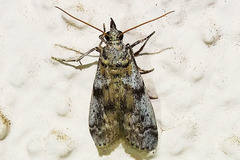
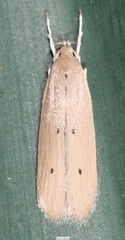 Navel Orangeworm Moth, Palm Leaf Skeletonizer Moth
2
-
Plant eaters
Animals that feed on it


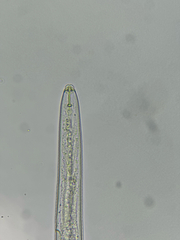 Eastern Fox Squirrel, Florida Red Scale, Southern Root-knot Nematode
3
-
Flower visitors
Pollinators and other flower visitors

 Great-tailed Grackle, Yellow-rumped Warbler
2
-
Sheltered animals
Animals that nest or roost in it
 Merchant Grain Beetle
1
Range
Greener is more native, amber more introduced; paler is less certain. How this was decided
Key traits
- Layer
- Trees
From USDA PLANTS.