species 33,186 observations
Loquat
Eriobotrya japonica
Field notes
The loquat (Eriobotrya japonica, Chinese: 枇杷; Pinyin: pípá) is a large evergreen shrub or tree grown commercially for its orange-coloured fruits. It is also cultivated as an ornamental plant.
The loquat is a fruit tree in the family Rosaceae, subfamily Amygdaloideae, tribe Maleae. It is native to the cooler hill regions of south-central China. It has been introduced to regions with subtropical to mild temperate climates throughout the world.
Eriobotrya japonica formerly was thought to be closely related to the genus Mespilus and is still sometimes known as the Japanese medlar, which is the name it takes in other European languages, such as níspero japonés in Spanish or nespolo giapponese in Italian. It is also known as Japanese plum and Chinese plum.
Read more on WikipediaSupports All
supported in the US
-
Caterpillars
Moths and butterflies raised on it
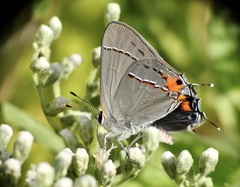


 Gray Hairstreak, Omnivorous Platynota Moth, Darker Moodna Moth, Hypocala Moth
9
-
Hosted animals
Gall makers, leaf miners and other animals living on or in it
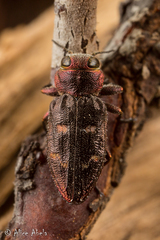
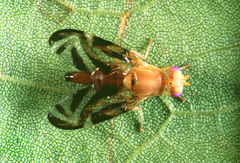 Pacific Flat-Headed Borer, Caribbean Fruit Fly
2
-
Plant eaters
Animals that feed on it


 Anna's Hummingbird, Jamaican Fruit-eating Bat, Eastern Fox Squirrel, Common Raccoon
28
-
Flower visitors
Pollinators and other flower visitors


 Red Admiral, Common Eastern Bumble Bee, Painted Lady, Monarch
24
Range
Greener is more native, amber more introduced; paler is less certain. How this was decided
Key traits
- Layer
- Trees
- Light
- Full sun Part shade
- Moisture
- Dry Well drained Moist
- Drought tolerant
- Yes
- Deer resistant
- Yes
- Resists
- Salt
From NC State Extension and USDA PLANTS.