species 7,057 observations
Greasewood
Sarcobatus vermiculatus
Field notes
Sarcobatus is a North American genus of two species of flowering plants, formerly considered to be a single species. Common names for S. vermiculatus include greasewood, seepwood, and saltbush. Traditionally, Sarcobatus has been treated in the family Chenopodiaceae, but the APG III system of 2009 recognizes it as the sole genus in the family Sarcobataceae.
Read more on WikipediaSupports All
13
native animals
supported in the US
supported in the US
-
Caterpillars
Moths and butterflies raised on it


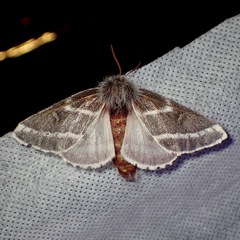
 California Tortoiseshell, Heiligbrodt's Mesquite Moth, Tricolor Buck Moth, Red Cutworm
5
-
Hosted animals
Gall makers, leaf miners and other animals living on or in it

 Greasewood Pinecone Gall, Greasewood Leaf Gall
2
-
Plant eaters
Animals that feed on it

 Okanagana fumipennis, Putnam's Cicada
2
-
Flower visitors
Pollinators and other flower visitors


 California Hairstreak, Mesilla Masked Bee, Slevin's Cellophane Bee, Tiny Small Carpenter
4
Range
Greener is more native, amber more introduced; paler is less certain. How this was decided
Key traits
- Layer
- Shrubs
- Light
- Part shade
- Water use
- Low
- Deer resistant
- Yes
From the Lady Bird Johnson Wildflower Center and USDA PLANTS.