species 28,076 observations
Beach Morning Glory
Ipomoea pes-caprae
Field notes
Ipomoea pes-caprae, also known as bayhops, bay-hops, beach morning glory, railroad vine, or goat's foot, is a common pantropical creeping vine belonging to the family Convolvulaceae. It grows on the upper parts of beaches and endures salted air. It is one of the most common and most widely distributed salt tolerant plants and provides one of the best known examples of oceanic dispersal. Its seeds float and are unaffected by salt water.
Originally described by Linnaeus, it was placed in its current genus by Robert Brown in 1818.
Read more on WikipediaSupports All
supported in the US
-
Caterpillars
Moths and butterflies raised on it


 Mexican Fritillary, Pink-spotted Hawkmoth, Morning-glory Leafminer Moth, Yellow-banded Wasp Moth
4
-
Specialist bees
Bees whose young are raised on the pollen of it


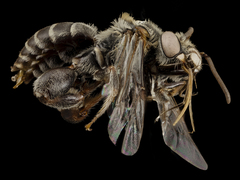
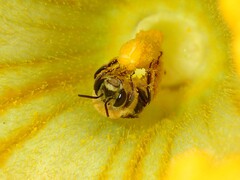 Morning Glory Turret Bee, Margined Turret Bee, Apiform Morning glory-Digger, Kansas Squash Bee
4
-
Hosted animals
Gall makers, leaf miners and other animals living on or in it


 Calycomyza ipomaeae, Golden Tortoise Beetle, Argus Tortoise Beetle
3
-
Plant eaters
Animals that feed on it


 Black-chinned Hummingbird, Indian Cotton Jassid, Orchard Oriole, Glassy-winged Sharpshooter
5
-
Flower visitors
Pollinators and other flower visitors


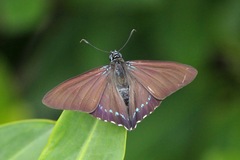 Cloudless Sulphur, Ello Sphinx, Gaudy Sphinx, Mangrove Skipper
20
Children
Range
Greener is more native, amber more introduced; paler is less certain. How this was decided
Key traits
- Layer
- Vines
- Light
- Part shade
- Water use
- Medium
- Plant type
- Perennial Vine Wildflower
From USDA PLANTS and the Lady Bird Johnson Wildflower Center.