species 27,008 observations
Lemon Balm
Melissa officinalis
Field notes
Lemon balm (Melissa officinalis) is a perennial herbaceous plant in the mint family. It has lemon-scented leaves, white or pale pink flowers, and contains essential oils and compounds, such as geranial and neral.
It grows to a maximum height of 1 m (3+1⁄2 ft). The species is native to south-central Europe, the Mediterranean, Central Asia, and Iran. It is naturalized worldwide. It grows easily from seed in rich, moist soil.
The genus name Melissa comes from the Ancient Greek word μέλισσα (mélissa, 'honey bee'), due to the plant's bee-attracting flowers. The epithet from Latin officinalis refers to its traditional use in apothecaries. It has been cultivated (and used to attract honey bees) since at least the 16th century. It is used as an ornamental plant, as a raw or cooked herb in various foods, and in teas, and aromatic essential oils.
Read more on WikipediaSupports All
supported in the US
-
Caterpillars
Moths and butterflies raised on it


 Rusty Tussock Moth, White Peacock, Bean Looper
3
-
Plant eaters
Animals that feed on it
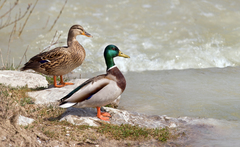


 Mallard, Common Raven, Eurasian Jackdaw, Redpoll
9
-
Flower visitors
Pollinators and other flower visitors


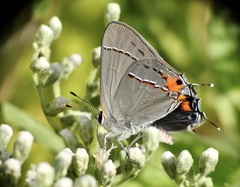 Common Eastern Bumble Bee, Yellow-fronted Bumble Bee, Eastern Carpenter Bee, Gray Hairstreak
9
Range
Greener is more native, amber more introduced; paler is less certain. How this was decided
Key traits
- Layer
- Herbaceous plants
- Light
- Full sun Part shade
- Moisture
- Dry Well drained
- Drought tolerant
- Yes
- Deer resistant
- Yes
- Habit
- Mounding Multi stemmed Open
- Plant type
- Herb Herbaceous perennial
From NC State Extension.