species 47,402 observations
Rubber Rabbitbrush
Ericameria nauseosa
Field notes
Supports All
352
native animals
supported in the US
supported in the US
-
Caterpillars
Moths and butterflies raised on it

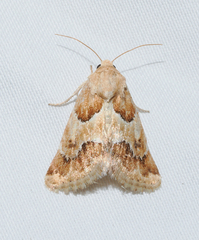

 Rabbitbrush Stem Gall Moth, Schinia walsinghami, Northern Checkerspot, Third Flower Moth
7
-
Specialist bees
Bees whose young are raised on the pollen of it


 Parallel Leafcutter Bee, Horn-faced Leafcutter Bee, Small Long-horned Bee, Short Sun-digger Bee
22
-
Hosted animals
Gall makers, leaf miners and other animals living on or in it

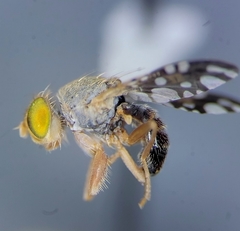

 Cotton-gall Tephritid, Bubble-gall Tephritid, Rhopalomyia chrysothamni, Cotton-gall Midge
12
-
Plant eaters
Animals that feed on it


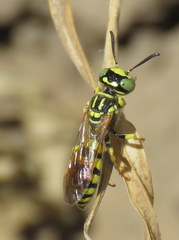
 Margined Calligrapher, American Sand Wasp, Philanthus multimaculatus, Flat-collared Beewolf
22
-
Flower visitors
Pollinators and other flower visitors
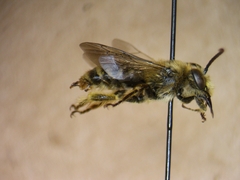


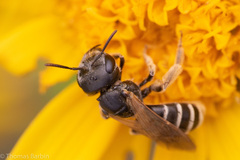 Melissodes lustrus, Painted Lady, Hunt's Bumble Bee, Ligated Furrow Bee
289
Children
- Ericameria nauseosa nana
- Ericameria nauseosa nitida
- Ericameria nauseosa salicifolia
- Ericameria nauseosa psilocarpa
- Bernardina Rabbitbrush
- Rush Rabbitbrush
- Ericameria nauseosa texensis
- Ranbow Hills Rabbitbrush
- Broadscale Rabbitbrush
- Great Basin Rabbitbrush
- Mojave Rabbitbrush
- Heavy Gray Rabbitbrush
- Washoe Rabbitbrush
- Ericameria nauseosa bigelovii
- Rubber Rabbitbrush
- Ericameria nauseosa turbinata
- Ericameria nauseosa glareosa
- Desert Rabbitbrush
- Smooth-fruit Rabbitbrush
- Showy Rabbitbrush
- Ericameria nauseosa arenaria
Range
Greener is more native, amber more introduced; paler is less certain. How this was decided
Key traits
From USDA PLANTS and the Lady Bird Johnson Wildflower Center.