species 51,421 observations
Olive
Olea europaea
Field notes
The cultivated olive (botanical name Olea europaea subsp. europaea) is a subspecies of subtropical evergreen tree in the family Oleaceae. Modern cultivars are traced primarily to the Near East, Aegean Sea, and Strait of Gibraltar. Olea europaea is the type species for its genus, Olea, which lends its name to the Oleaceae plant family. The olive fruit is classed botanically as a drupe, similar in structure and function to the cherry or peach. The term oil was originally synonymous with olive oil.
The olive has deep historical, economic, and cultural significance in the Mediterranean. It was one of the first fruit trees to be domesticated, being first cultivated in the Eastern Mediterranean between 6,000 and 4,000 BC. It gradually spread around the Mediterranean Basin via trade and human migration. Olive cultivation was vital to the growth and prosperity of several Mediterranean civilisations.
The fruit is eaten as table olives; the oil extracted from the fruit is used in food and formerly for lamp fuel; and the wood is used for decorative objects. The olive branch is a symbol of peace. The olive is a core ingredient in Middle Eastern and Mediterranean cuisines, particularly in the form of olive oil, and a defining feature of local landscapes, commerce, and folk traditions.
The olive is cultivated throughout the Mediterranean Basin, and in other regions with a suitable climate. Spain, Italy, and Greece lead the world in commercial olive production. There are many cultivars, some used primarily for oil, others for eating. Approximately 80% of all harvested olives are processed into oil, with the rest cured and fermented as table olives.
Read more on WikipediaSupports All
supported in the US
-
Caterpillars
Moths and butterflies raised on it


 Lilac Borer Moth, Banded Ash Borer Moth, Omnivorous Looper, Four-spotted Palpita Moth
9
-
Plant eaters
Animals that feed on it

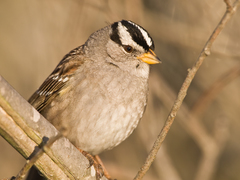
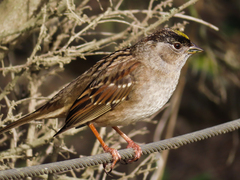
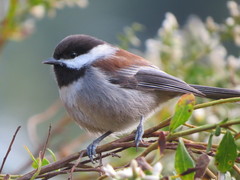 Red Fox, White-crowned Sparrow, Golden-crowned Sparrow, Chestnut-backed Chickadee
16
-
Sheltered animals
Animals that nest or roost in it


 Parasitoid Wasp, Elasmus, Aprostocetus
3
Children
Range
Greener is more native, amber more introduced; paler is less certain. How this was decided
Key traits
- Layer
- Trees
- Light
- Full sun
- Moisture
- Well drained Moist
- Drought tolerant
- Yes
From NC State Extension and USDA PLANTS.