species 135,154 observations
Black Cherry
Prunus serotina
Field notes
Supports All
675
native animals
supported in the US
supported in the US
-
Caterpillars
Moths and butterflies raised on it


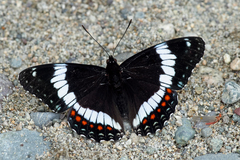
 Eastern Tiger Swallowtail, Eastern Tent Caterpillar Moth, Red-spotted Admiral, Radcliffe's Dagger
361
-
Hosted animals
Gall makers, leaf miners and other animals living on or in it


 Flat-headed Hardwood Borer, Contarinia cerasiserotinae, Red-headed Ash Borer, Contarinia racemi
15
-
Plant eaters
Animals that feed on it

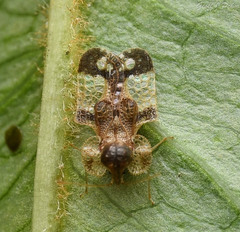

 American Robin, Cherry Lace Bug, Wild Turkey, Red Fox
114
-
Flower visitors
Pollinators and other flower visitors


 Milwaukee Mining Bee, Eastern Pine Elfin, Monarch, Spurred Ceratina
183
-
Sheltered animals
Animals that nest or roost in it
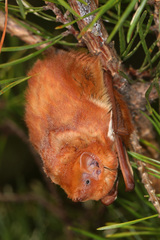
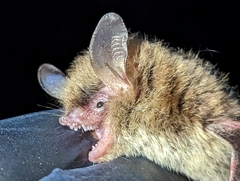 Eastern Red Bat, Northern Myotis
2
Children
Range
Greener is more native, amber more introduced; paler is less certain. How this was decided
Key traits
- Layer
- Trees
- Light
- Full sun
- Moisture
- Dry Well drained Moist
- Water use
- Medium
- Deer resistant
- Yes
- Resists
- Fire
From NC State Extension, USDA PLANTS and the Lady Bird Johnson Wildflower Center.