genus
Ground Cherries
Physalis
Field notes
Physalis (, , , , from Ancient Greek: φυσαλλίς phusallís 'bladder') is a genus of approximately 75 to 90 flowering plants in the nightshade family (Solanaceae), which are native to the Americas and Australasia. At least 46 species are endemic to Mexico. Cultivated and weedy species have been introduced worldwide. A defining feature of Physalis is a large, papery husk derived from the calyx, which partly or fully encloses the fruit. Many species bear edible fruit, and some species are cultivated.
The typical Physalis fruit is similar to a firm tomato in texture, and like a sweet, tangy grape in flavor. Some species, such as the Cape gooseberry and tomatillo, have been bred into many cultivars with varying flavors, from tart to sweet to savory. Nations including Colombia, India, and Mexico have a significant economic trade in Physalis fruit. The fruits of many species are generically referred to as physalis, groundcherries, husk tomatoes, husk cherries, poha berries, and golden berries.
Read more on WikipediaChildren 24 of 34
- Cutleaf Groundcherry native
- Long-leaved Groundcherry native
- Cape Gooseberry introduced
- Thickleaf Groundcherry native
- Clammy Groundcherry native
- Smallflower Groundcherry present
- Large-flowered Tomatillo introduced
- Dune Groundcherry native
- Virginia Groundcherry native
- Hairy Groundcherry native
- Grape Groundcherry
- Strawberry Groundcherry native
- Ivyleaf Groundcherry native
- Coastal Groundcherry native
- Sharpleaf Groundcherry native
- Field Groundcherry present
- Cypresshead Groundcherry native
- New Mexican Groundcherry native
- Physalis nicandroides
- Physalis × elliottii native
- Dwarf Groundcherry native
- Netted Globecherry present
- Strawberry Tomato
- Heart Leaf Groundcherry native
Range
Greener is more native, amber more introduced; paler is less certain. How this was decided
Key traits
- Layer
- Shrubs
- Plant type
- Annual Perennial Shrub Wildflower
From USDA PLANTS.
Top native ground cherries All
Native to the US, ranked by caterpillars, then bees and other hosts, food, flowers and shelter.
-
 Cutleaf Groundcherry
Physalis angulata
caterpillars
7
bees
3
hosts
1
food
6
flowers
9
-
 Hairy Groundcherry
Physalis pubescens
caterpillars
6
bees
4
hosts
1
food
4
flowers
4
-
 Ivyleaf Groundcherry
Physalis hederifolia
caterpillars
5
bees
2
hosts
1
food
5
flowers
5
-
 Sharpleaf Groundcherry
Physalis acutifolia
caterpillars
5
bees
2
food
4
flowers
14
-
 Thickleaf Groundcherry
Physalis crassifolia
caterpillars
5
food
3
flowers
7
-
 Long-leaved Groundcherry
Physalis longifolia
caterpillars
4
bees
5
hosts
1
food
4
flowers
20
-
 Clammy Groundcherry
Physalis heterophylla
caterpillars
4
bees
4
hosts
1
food
5
flowers
8
-
 Strawberry Groundcherry
Physalis grisea
caterpillars
4
bees
4
hosts
1
food
4
flowers
5
-
 Virginia Groundcherry
Physalis virginiana
caterpillars
4
bees
4
hosts
1
food
3
flowers
21
-
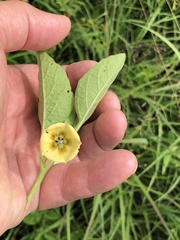 Dwarf Groundcherry
Physalis pumila
caterpillars
4
bees
3
hosts
1
food
4
flowers
18
-
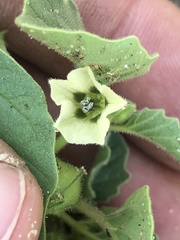 New Mexican Groundcherry
Physalis neomexicana
caterpillars
4
bees
2
hosts
1
food
2
flowers
3
-
 Dune Groundcherry
Physalis walteri
caterpillars
4
bees
2
food
4
flowers
4
-
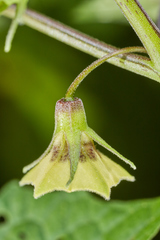 Heart Leaf Groundcherry
Physalis cordata
caterpillars
4
bees
2
food
4
flowers
4
-
 Coastal Groundcherry
Physalis angustifolia
caterpillars
4
bees
2
food
3
flowers
4
-
 Cypresshead Groundcherry
Physalis arenicola
caterpillars
4
bees
2
food
3
flowers
3