species 22,336 observations
Bluecrown Passionflower
Passiflora caerulea
Field notes
Passiflora caerulea, the blue passionflower, bluecrown passionflower or common passion flower, is a species of flowering plant in the family Passifloraceae. It is native to South America and has been introduced elsewhere.
It forms a vigorous, deciduous or semi-evergreen tendril-bearing vine growing to 10 m (33 ft) or more. Its leaves are palmately lobed, and its fragrant flowers are blue-white with a prominent fringe of coronal filaments in bands of blue, white, yellow, and brown. The ovoid orange fruit grows to 6 cm (2 in) across.
The fruit is edible, but is sometimes described as having an unpalatable or unpleasant flavour. In South America, the plant is known for its medicinal properties, and is used by both the Toba and the Maka peoples.
Read more on WikipediaSupports All
supported in the US
-
Caterpillars
Moths and butterflies raised on it


 Gulf Fritillary, Variegated Fritillary, Julia Heliconian, Red Postman
5
-
Plant eaters
Animals that feed on it

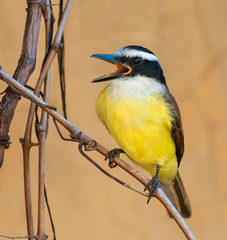
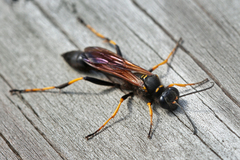
 Anna's Hummingbird, Great Kiskadee, Yellow-legged Mud-dauber Wasp, Shiny Cowbird
4
-
Flower visitors
Pollinators and other flower visitors


 Valley Carpenter Bee, American Bumble Bee, Eastern Carpenter Bee, Mournful Duskywing
4
Range
Greener is more native, amber more introduced; paler is less certain. How this was decided
Key traits
- Layer
- Vines
- Light
- Full sun Part shade
- Moisture
- Well drained Moist
- Deer resistant
- Yes
- Habit
- Climbing
- Plant type
- Perennial Vine Herbaceous perennial
From NC State Extension and USDA PLANTS.