species 81,492 observations
Oleander
Nerium oleander
Field notes
Nerium oleander, the oleander, is a shrub or small tree native to the Mediterranean region east to southern Asia, from Morocco and Portugal east to India and Myanmar; the Flora of China also cites it as native in Yunnan in China. It is the only species currently classified in the genus Nerium, belonging to subfamily Apocynoideae of the dogbane family Apocynaceae. It is also cultivated widely in temperate and subtropical areas as an introduced ornamental and landscaping plant.
It is tolerant to both drought and inundation, but not to prolonged frost. It is a highly poisonous plant but its bitterness renders it unpalatable to humans and most animals, so poisoning cases are rare and the general risk for human mortality is low. Ingestion of larger amounts may cause nausea, vomiting, excess salivation, abdominal pain, bloody diarrhoea and irregular heart rhythm. Prolonged contact with sap may cause skin irritation, eye inflammation and dermatitis.
Read more on WikipediaSupports All
supported in the US
-
Caterpillars
Moths and butterflies raised on it


 Polka-Dot Wasp Moth, Citrus Peelminer, Spotted Oleander Moth, Salt Marsh Moth
7
-
Plant eaters
Animals that feed on it


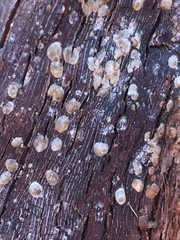 Oleander Scale, Glassy-winged Sharpshooter, Florida Red Scale, Latania Scale
7
-
Flower visitors
Pollinators and other flower visitors


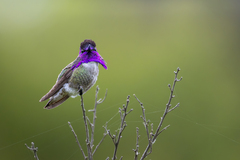
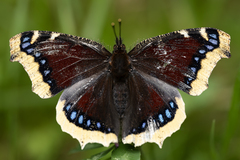 Monarch, Painted Lady, Costa's Hummingbird, Mourning Cloak
31
-
Sheltered animals
Animals that nest or roost in it
 Parasitoid Wasp
1
Range
Greener is more native, amber more introduced; paler is less certain. How this was decided
Key traits
- Layer
- Shrubs
- Light
- Full sun Part shade
- Moisture
- Dry Well drained Moist
- Drought tolerant
- Yes
- Deer resistant
- Yes
- Plant type
- Perennial Shrub Houseplant Poisonous
From NC State Extension and USDA PLANTS.