species 950 observations
Wavy-leaved Violet
Viola subsinuata
Field notes
Viola subsinuata, commonly called the early blue violet, is a species of flowering plant in the violet family (Violaceae). It is native to eastern North America, where it is primarily found in the Appalachian Mountains and Great Lakes area. Its natural habitat is in loamy forests, often over mafic or calcareous substrates.
Viola subsinuata is a perennial that produces purple flowers in the spring. It is superficially similar to Viola palmata, and it can be distinguished by its earliest flowering leaves being divided and similar to later leaves (unlike V. palmata, which has undivided early leaves and divided later leaves).
This species has a complicated taxonomic history, including much nomenclatural confusion and misidentification. The exact geographic boundaries of this species is poorly understood. A recent study indicates that it likely includes cryptic taxa.
Read more on WikipediaSupports All
supported in the US
-
Caterpillars
Moths and butterflies raised on it


 Beggar Moth, Atlantis Fritillary, Waterlily Leafcutter Moth, Meadow Fritillary
5
-
Specialist bees
Bees whose young are raised on the pollen of it
 Violet Miner
1
-
Hosted animals
Gall makers, leaf miners and other animals living on or in it
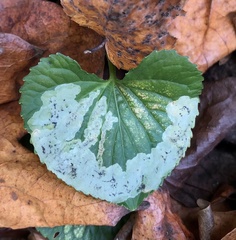

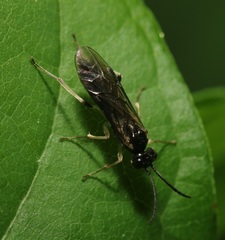 Liriomyza violivora, Violet Leafmining Sawfly, Violet Sawfly
3
-
Plant eaters
Animals that feed on it


 Ruffed Grouse, Wild Turkey, Vesper Sparrow, Ground Weevil
5
-
Flower visitors
Pollinators and other flower visitors


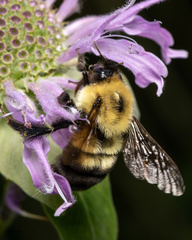 Golden Northern Bumble Bee, Mustard White, Bufflehead Mason Bee, Two-spotted Bumble Bee
48
Range
Greener is more native, amber more introduced; paler is less certain. How this was decided