species 9,235 observations
Monk's-hood
Aconitum napellus
Field notes
Aconitum napellus, monkshood, aconite, Venus' chariot or wolfsbane, is a species of highly toxic flowering plants in the genus Aconitum of the family Ranunculaceae, native and endemic to western and central Europe. A perennial plant, it is herbaceous and grows to 1 m (3 ft 3 in) tall, with hairless stems and leaves. The leaves are rounded, 5–10 cm (2.0–3.9 in) diameter, palmately divided into five to seven deeply lobed segments. The flowers are dark purple to bluish-purple, narrow oblong helmet-shaped, 1–2 cm (0.39–0.79 in) tall. Plants native to Asia and North America formerly listed as A. napellus are now regarded as separate species. The plant is extremely poisonous in both ingestion and body contact. It is the most poisonous plant in all of Europe.
Read more on WikipediaSupports All
supported in the US
-
Caterpillars
Moths and butterflies raised on it
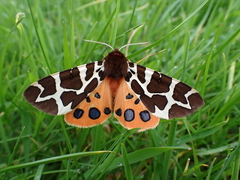

 Garden Tiger, Small Engrailed, Satyr Pug Moth
3
-
Plant eaters
Animals that feed on it



 Mallard, Common Raven, Eurasian Jackdaw, Redpoll
4
-
Flower visitors
Pollinators and other flower visitors

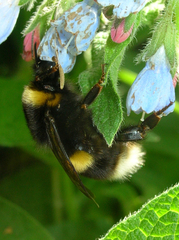
 Heath Bumble Bee, Cryptic Bumble Bee, Colorado Black-notched Bumble Bee
3
Range
Greener is more native, amber more introduced; paler is less certain. How this was decided
Key traits
- Layer
- Herbaceous plants
- Plant type
- Perennial Wildflower
From USDA PLANTS.