family
Amblystegiaceae
Amblystegiaceae
Field notes
Amblystegiaceae is a family of mosses. It includes 20 to 30 genera with a total of up to 150 species. They occur nearly worldwide, growing in tropical, temperate, and subpolar regions.
These mosses are small to large in size and are yellow, green, or brown in color. Some are aquatic and some terrestrial. Most occur in wet habitat types. Many occur in substrates with a basic pH, but some grow in neutral to acidic substrates.
Read more on WikipediaChildren
- Drepanocladus 3 native
- Campylium Moss 2 native
- Tomentypnum Moss 1 native
- Cratoneuron 1 native
- Palustriella 1 native
- Amblystegium 1 native
- Leptodictyum 1 native
- Hygrohypnum 1 native
- Campylium Moss 1 native
- Campylophyllopsis 1 native
- Anacamptodon
- Conardia
- Pseudocampylium
- Hygroamblystegium
- Campylophyllum
- Pseudoamblystegium
- Platyhypnum
- Platylomella
- Serpoleskea
- Drepanium
- Donrichardsia
Range
Greener is more native, amber more introduced; paler is less certain. How this was decided
Top native Amblystegiaceae All
Native to the US, ranked by caterpillars, then bees and other hosts, food, flowers and shelter.
-
 Yellow Starry Fen Moss
Campylium stellatum
food
1
-
 Creeping Feather-moss
Amblystegium serpens
-
 Streamside Leptodictyum Moss
Leptodictyum riparium
-
 Golden Feather-moss
Campyliadelphus chrysophyllus
-
 Kneiff's Hook-moss
Drepanocladus aduncus
-
 Fern-leaved Hook-moss
Cratoneuron filicinum
-
 Golden Fuzzy Fen Moss
Tomentypnum nitens
-
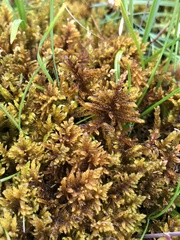 Curled Hook-moss
Palustriella commutata
-
 Campylophyllopsis hispidula
-
 Drab Brook-moss
Hygrohypnum luridum
-
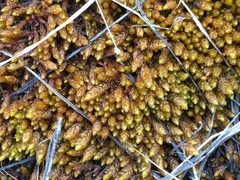 Turgid Scorpion Moss
Drepanocladus turgescens
-
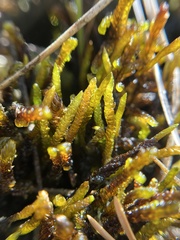 Calliergon Moss
Drepanocladus trifarius
-
 Hygrohypnum bestii
-
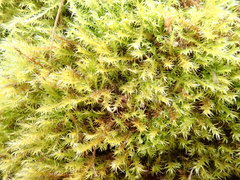 Fertile Feather-moss
Drepanocladus polygamus
-
 Dull Starry Feather-moss
Campylium protensum