class
Joint-toothed Mosses
Bryopsida
Field notes
Children
- Feather Mosses 88 native
- Bryales 38 native
- Dicranales 31 native
- Pottiales 21 native
- Grimmiales 13 native
- Orthotrichales 11 native
- Bartramiales 6 native
- Splachnales 5 native
- Encalyptales 3 native
- Hookeriales 3 native
- Aulacomniales 3 native
- Buxbaumiales 3 native
- Rhizogoniales 2 native
- Funariales 2 native
- Hypnodendrales 1 native
- Hedwigiales 1 native
- Catoscopiales 1 native
- Timmiales 1 native
- Hypopterygiales
- Diphysciales
- Isobryales
- Gigaspermales
Range
Greener is more native, amber more introduced; paler is less certain. How this was decided
Top native joint-toothed mosses All
Native to the US, ranked by caterpillars, then bees and other hosts, food, flowers and shelter.
-
 Broom Forkmoss
Dicranum scoparium
food
2
-
 Red-stemmed Feather Moss
Pleurozium schreberi
food
2
-
 Stairstep Moss
Hylocomium splendens
food
1
-
 Redshank
Ceratodon purpureus
food
1
-
 Rough Goose Neck Moss
Hylocomiadelphus triquetrus
food
1
-
 Waxyleaf Moss
Dicranum polysetum
food
1
-
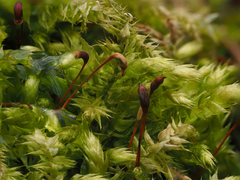 Rough-stalked Feather-moss
Brachythecium rutabulum
food
1
-
 Woolly Fringe-moss
Racomitrium lanuginosum
food
1
-
 Pointed Spear-moss
Calliergonella cuspidata
food
1
-
 Sickle-leaved Hook-moss
Sanionia uncinata
food
1
-
 Yellow Starry Fen Moss
Campylium stellatum
food
1
-
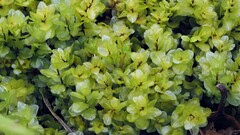 Grandleaf Rhizomnium Moss
Rhizomnium magnifolium
flowers
1
-
 Seductive Entodon Moss
Entodon seductrix
-
 Delicate Fern Moss
Thuidium delicatulum
-
 Pincushion Moss
Leucobryum glaucum