species 4,229 observations
Tea
Camellia sinensis
Field notes
Camellia sinensis, commonly known as tea plant, tea shrub, and tea tree, is a species of evergreen shrub in the flowering plant family Theaceae. The leaves harvested from C. sinesis are brewed into tea.
Originally native to the highlands of the Hengduan–Purvanchal region between southwestern China, northern Myanmar and northeastern India, the leaves, buds and stems of C. sinensis are harvested by humans to produce tea, leading to its artificial introduction and cultivation as valuable cash crops in many other parts of the world, with China, India and Kenya being the three largest tea-producing countries.
Tea leaves used to make white tea, yellow tea, green tea, oolong, dark tea (which includes pu'er tea) and black tea (aka red tea) are all made from two of the five varieties of C. sinensis that form the bulk of the tea crops now grown, C. sinensis var. sinensis and C. sinensis var. assamica, but are processed differently to attain varying levels of oxidation, with black tea being the most oxidized and white being the least. Kukicha (twig tea) is also made from C. sinensis, but uses only twigs and stems rather than leaves and buds.
Read more on WikipediaSupports All
supported in the US
-
Caterpillars
Moths and butterflies raised on it



 Ipsilon Dart Moth, Celypha Moth, Sri Lanka Plume Moth, Western Tussock Moth
5
-
Plant eaters
Animals that feed on it
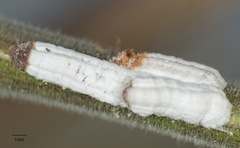

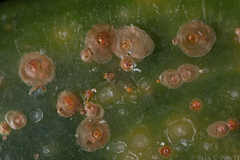
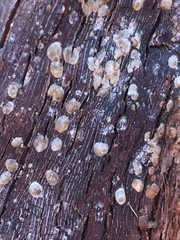 Cottony Yew Scale, Florida Red Scale, Dictyospermum Scale, Latania Scale
7
-
Sheltered animals
Animals that nest or roost in it
 Parasitoid Wasp
1
Children
Range
Greener is more native, amber more introduced; paler is less certain. How this was decided
Key traits
- Layer
- Trees
- Light
- Full sun Part shade
- Moisture
- Well drained Moist
- Soil pH
- Acid
- Drought tolerant
- Yes
- Deer resistant
- Yes
- Resists
- Heat
From NC State Extension and USDA PLANTS.