species 9,859 observations
Western Spiderwort
Tradescantia occidentalis
Field notes
Tradescantia occidentalis, the prairie spiderwort or western spiderwort, is a plant in the dayflower family, Commelinaceae. It is common and widespread across the western Great Plains of the United States, as well as in Arizona, New Mexico, southern Utah, and Sonora, but is listed as a threatened species in Canada.
Like in a few other species of Tradescantia, the cells of the stamen hairs of Western spiderwort are normally colored blue, but when exposed to neutron radiation or other forms of ionizing radiation, the cells mutate and change color to pink. Thus the plant can be used as a bioassay for radiation.
Read more on WikipediaSupports All
supported in the US
-
Caterpillars
Moths and butterflies raised on it
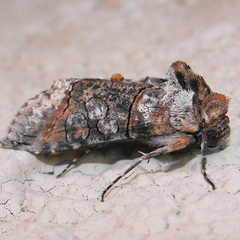 Mouralia tinctoides
1
-
Plant eaters
Animals that feed on it


 Common Ground Dove, Large-tailed Aphideater, Banded Thintail
3
-
Flower visitors
Pollinators and other flower visitors


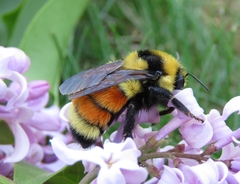 Tiny Small Carpenter, Urbane Digger Bee, American Bumble Bee, Hunt's Bumble Bee
27
Children
Range
Greener is more native, amber more introduced; paler is less certain. How this was decided
Key traits
- Layer
- Herbaceous plants
- Light
- Full sun Part shade
- Moisture
- Dry
- Water use
- Low
- Deer resistant
- Yes
- Plant type
- Perennial Wildflower
From the Lady Bird Johnson Wildflower Center and USDA PLANTS.